
World Cup Jobs Are Still Jobs: What New Jersey Workers Should Know During the FIFA Rush
June 22, 2026
Pregnancy and Childbirth Protections at Work: What Employees Need to Know
June 29, 2026They Said My English Wasn’t Good Enough: When Language Rules Become Workplace Discrimination
By: Walter Gonzalez, Esq. and Ty Hyderally, Esq.
June 25, 2026
New Jersey is one of the most diverse states in the country. This is not just a slogan, this is not hyperbole. This is real life.
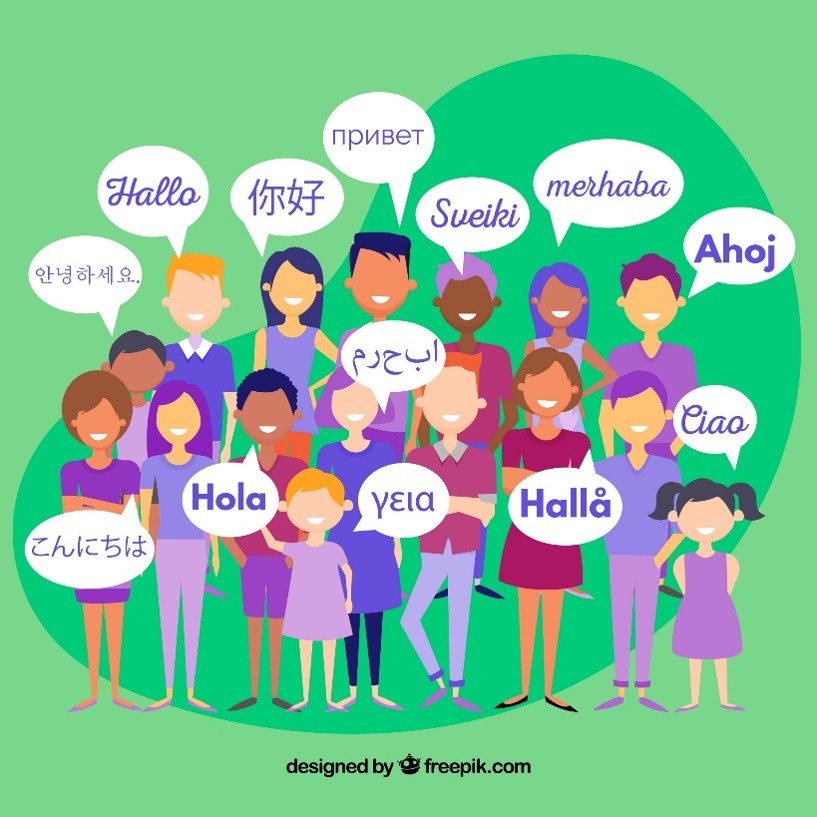
Employees in New Jersey speak Spanish, Portuguese, Hindi, Arabic, Hebrew, Korean, Creole, Polish, Italian, Tagalog, Filipino, Mandarin, Gujarathi and countless other languages at home, at work, and in their communities.[1]
Some employees have accents. Some switch between languages. Some speak English fluently but still get treated as if they are less intelligent, less professional, or less worthy because of how they sound.
This can make the workplace feel less welcoming and more dreadful.
A manager says, “Your English is not good enough.” A supervisor says, “Customers do not understand your accent.” A coworker mocks how someone pronounces words. An employer tells employees they can only speak English… even during breaks. Someone is denied a promotion because they “do not sound professional.” Or an employee is told, directly or indirectly, that they should stop speaking Spanish at work.
Apparently, some workplaces think speaking more than one language is suspicious, unless Bad Bunny is on the speakers, and then suddenly everyone remembers that Spanish exists.
Jokes aside, this can be serious.
In January 2026, the New Jersey Attorney General and the Division on Civil Rights issued guidance explaining that language discrimination may violate the New Jersey Law Against Discrimination when it is tied to protected characteristics such as national origin, ancestry, nationality, race, religion, or disability. The guidance addresses English-only rules, accent discrimination, English proficiency requirements, and harassment based on language or how someone speaks.
The basic point is simple: an employer cannot use language as a shortcut for discrimination.

Image by studio4rt on Magnific
That does not mean every language requirement is automatically illegal. Some jobs may legitimately require English proficiency. A nurse, dispatcher, teacher, receptionist, safety officer, or customer-facing employee may need to communicate clearly in certain situations. But there is a major difference between a real job-related requirement and a vague preference for employees who “sound American,” “sound professional,” or “fit in.”
Employees should pay close attention when language becomes the reason they are excluded, mocked, disciplined, or denied opportunities.
For example, language discrimination may appear when an employee is told not to speak Spanish during breaks, even when no work-related communication issue exists. It may appear when employees with accents are kept away from customers despite being qualified. It may appear when an employer tolerates jokes about an employee’s accent, grammar, or country of origin. It may appear when a company claims an English-only rule is necessary but applies it inconsistently or only to certain workers. The fact pattern to be most mindful of is when employers ban one foreign language from being spoken in the workplace and allow others to be spoken.
The New Jersey Division on Civil Rights has made clear that language policies can create legal problems under different theories. They may be direct discrimination if they target workers because of national origin, ancestry, race, nationality, religion, or disability. They may have a disparate impact if a supposedly neutral language rule disproportionately harms protected groups. Similarly, repeated comments about language, accent, or English ability may also contribute to a hostile work environment.
Bias does not become lawful because a customer asks for it!
Employees should also understand that customer preference is not a free pass. An employer generally cannot justify discrimination by saying customers prefer employees without accents or prefer employees who only speak English.
If this happens at work, employees should save the evidence. Keep emails, texts, written policies, handbook provisions, schedules, discipline, promotion decisions, and any comments about language, accent, or English ability. If someone tells you not to speak another language, write down who said it, when they said it, where it happened, and whether the rule was applied to everyone or only certain employees.
The way someone speaks should not be used to make them feel smaller at work.
New Jersey workers do not have to leave their language, culture, accent, or identity at the door to be treated with dignity.
If you have any questions regarding your rights as an employee, you should seek an experienced attorney who concentrates in employment law. Our firm has been concentrating in employment law for over twenty-three (23) years!
En nuestra firma hablamos español. This blog is for informational purposes only. It does not constitute legal advice and may not reasonably be relied upon as such. If you face a legal issue, you should consult a qualified attorney for independent legal advice regarding your particular set of facts. This blog may constitute attorney advertising. This blog is not intended to communicate with anyone in a state or other jurisdiction where such a blog may fail to comply with all laws and ethical rules of that state or jurisdiction.
[1] https://www.nj.gov/health/ommh/resources/language-access/- Top 10 Languages Spoken at Home Other than English in New Jersey