They Said My English Wasn’t Good Enough: When Language Rules Become Workplace Discrimination
June 25, 2026
You Can’t Split Justice: New Jersey Court Blocks Employer’s Arbitration Strategy
July 28, 2026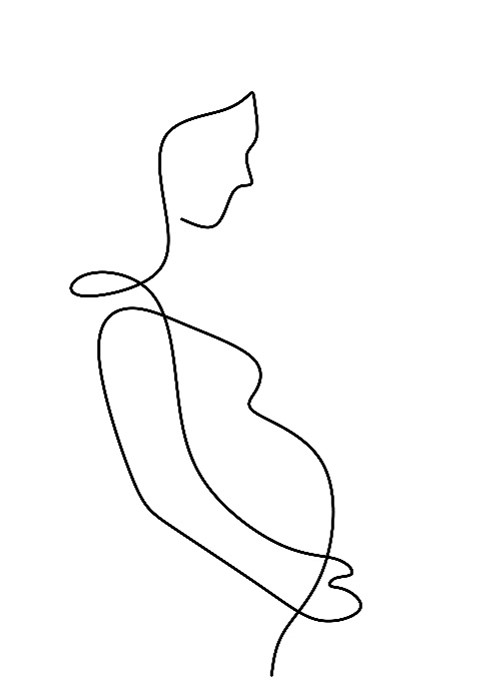
June 18, 2026
By: Ty Hyderally, Esq., Francine Foner, Esq.
Two recent Equal Employment Opportunity Commission (EEOC) actions serve as an important reminder that employees have significant legal protections during pregnancy, childbirth, and recovery from childbirth. In June 2026, the EEOC announced a lawsuit against restaurant chain Proper 21 alleging pregnancy discrimination, and separately announced a $125,000 settlement with JAG Physical Therapy over allegations that an employee was fired after requesting childbirth-related accommodations.[1], [2]The Proper 21 lawsuit highlights a common issue faced by many working parents: pressure surrounding pregnancy and maternity leave. According to the EEOC, the company repeatedly questioned a floor manager about her maternity leave, expressed discomfort with her working while pregnant, encouraged her to take leave earlier than she wanted, and allegedly terminated her after she requested a two-week extension of her maternity leave. The EEOC contends that these actions violated the Pregnancy Discrimination Act (PDA), which prohibits discrimination based on pregnancy, childbirth, and related medical conditions.
The JAG Physical Therapy case focuses on another critical workplace right: reasonable accommodations related to childbirth and recovery. The EEOC alleged that an employee contacted the company on the day she gave birth to request either a brief leave or a schedule adjustment that would allow her to recover physically and support lactation needs. Rather than engaging in a discussion about the request, JAG allegedly terminated her employment. The case was resolved through a settlement that includes monetary relief and workplace policy changes.
For employees, these cases underscore an important point: employers generally cannot make employment decisions based on pregnancy, childbirth, or assumptions about an employee’s ability or desire to work. An employer cannot force a pregnant employee to stop working simply because management believes it would be better or safer if the employee stayed home. Likewise, an employer cannot lawfully penalize an employee for taking protected leave or for needing time to recover from childbirth.
Employees should also be aware of protections under the Pregnant Workers Fairness Act (PWFA). As referenced in the JAG Physical Therapy case, the law requires employers to provide reasonable accommodations for known limitations related to pregnancy, childbirth, or related medical conditions unless doing so would create an undue hardship for the business. The law also prohibits employers from retaliating against workers simply for requesting accommodations or using them.
Reasonable accommodations can take many forms depending on an employee’s circumstances. Examples may include modified schedules, additional breaks, temporary adjustments to job duties, time off for medical appointments, or short-term leave related to childbirth recovery. Importantly, requesting an accommodation should begin an interactive discussion between the employee and employer—not trigger disciplinary action or termination.
The EEOC’s recent actions send a clear message: pregnancy and parenthood should not jeopardize someone’s career. The Proper 21 and JAG Physical Therapy matters demonstrate that federal agencies continue to actively enforce protections designed to ensure employees can both grow their families and maintain their livelihoods.
If you feel that you have experienced pregnancy discrimination, been denied reasonable accommodation, or faced retaliation for seeking reasonable accommodation, or are the target of other discrimination, harassment, whistleblower retaliation, or if you have any questions regarding your rights as an employee, you should seek out an experienced attorney who concentrates in employment law. Our firm has been concentrating in employment law for over twenty-three (23) years!
En nuestra firma hablamos español. This blog is for informational purposes only. It does not constitute legal advice and may not reasonably be relied upon as such. If you face a legal issue, you should consult a qualified attorney for independent legal advice regarding your particular set of facts. This blog may constitute attorney advertising. This blog is not intended to communicate with anyone in a state or other jurisdiction where such a blog may fail to comply with all laws and ethical rules of that state or jurisdiction.
[1] https://www.eeoc.gov/newsroom/jag-physical-therapy-pay-125000-eeoc-pregnancy-discrimination-lawsuit;
[2] https://www.eeoc.gov/newsroom/eeoc-sues-proper-21-pregnancy-discrimination