
What’s in My File? New York Employees Are About to Get the Right to Find Out
November 10, 2026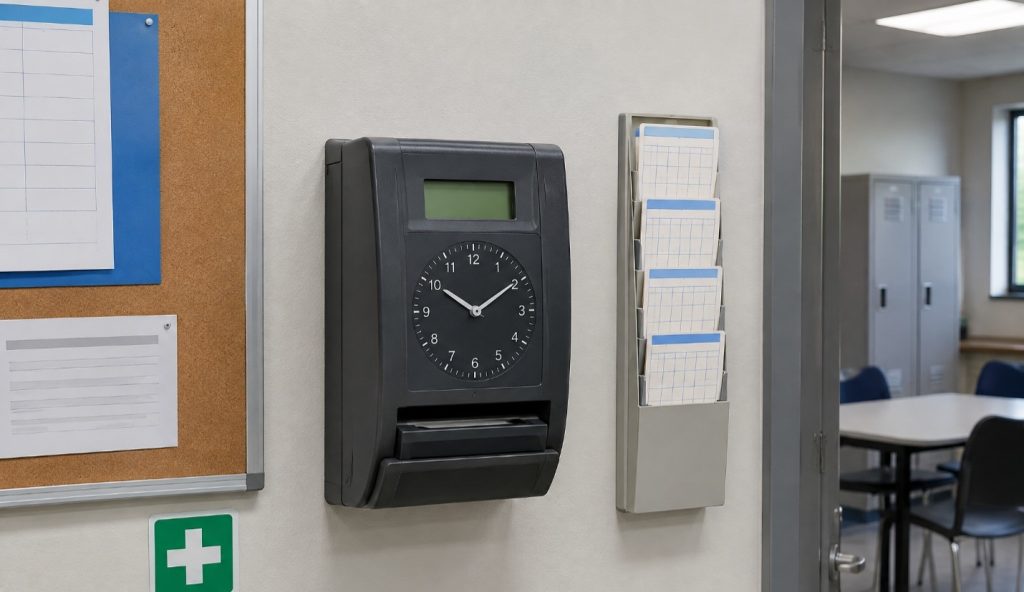
By: Ty Hyderally, Esq. and Francine Foner, Esq.
October 25, 2026
Most employees assume that they begin work when they clock in and once they clock out, the workday is over. But what happens if your employer requires you to wait in line for a security screening before you clock in and after you clock out?
A recent New Jersey federal court decision involving Amazon highlights an important wage-and-hour issue that many workers may never have considered. According to the allegations in Washington v. Amazon.com Servs. LLC, 2026 U.S. Dist. LEXIS 189744 *; 2026 LX 488331; 2026 WL 2475398 (D.N.J. Aug. 24, 2026), employees were required to go through security screenings before entering and after leaving work, and they were not paid for that time.[1]
Why This Matters
For hourly workers, a few unpaid minutes each day may not sound like much. But over weeks, months, or years, those minutes can add up to a significant amount of unpaid wages.
In the lawsuit, workers alleged that they were required to:
- Walk from the entrance to a clock-in location before starting work.
- Undergo security screenings.
- Walk back through the facility after clocking out.
- Wait for and complete another security screening before they could leave.
The employees claimed that this time should be compensated because it was required by the employer.
A Win for Workers on the Wage Claims
The court delivered two important victories for workers at this stage of the case. First, it allowed the employees’ claims regarding unpaid time spent in mandatory security screenings to proceed.
Second, it held that claims under the New Jersey Wage Payment Law (NJWPL) are subject to a six-year statute of limitations, rejecting Amazon’s argument that a two-year limitations period should apply. The court likewise recognized a six-year limitations period under the New Jersey Wage and Hour Law (NJWHL) for applicable claims.
Why does that matter? Because the statute of limitations determines how far back an employee can seek unpaid wages. A six-year limitations period can dramatically increase the value of a wage claim, particularly where an employer has allegedly followed the same pay practice for years.
Not Every Employee Claim Survived
The workers also argued that they should have been paid during their meal breaks because security procedures and the nature of the facilities allegedly made it difficult to leave and use the break freely.
The court dismissed that portion of the case, finding that the complaint did not adequately show that the meal periods primarily benefited the employer rather than the employees.
However, the dismissal was without prejudice, meaning the plaintiffs were given an opportunity to try to amend their claims.
What Employees Should Know
This case is a reminder that “work time” is not always limited to the exact moments shown on a time clock.
If you are an hourly employee, questions worth considering include:
- Are you required to perform tasks before clocking in or after clocking out?
- Are you required to wait through mandatory security procedures?
- Are you expected to perform work during lunch breaks?
- Are there job-related activities that take place off the clock?
The answers may affect whether you are being paid for all compensable time under state wage laws.
The Bigger Picture
Wage theft is not always dramatic. Sometimes it happens a few minutes at a time. Cases like Washington v. Amazon.com Servs. LLC remind workers to pay attention to the entire workday, not just the hours reflected on a paycheck.
If your employer requires activities that keep you under its control before you start work, leave work, or otherwise use your time freely, it may be worth learning more about your rights and speaking with an employment attorney.
If you have any questions regarding your rights as an employee, you should seek an experienced attorney who concentrates in employment law. Our firm has been concentrating in employment law for over twenty-three (23) years!
En nuestra firma hablamos español. This blog is for informational purposes only. It does not constitute legal advice and may not reasonably be relied upon as such. If you face a legal issue, you should consult a qualified attorney for independent legal advice regarding your particular set of facts. This blog may constitute attorney advertising. This blog is not intended to communicate with anyone in a state or other jurisdiction where such a blog may fail to comply with all laws and ethical rules of that state or jurisdiction.
[1] This case was issued as a “not for publication” opinion, meaning it is not binding precedent that other courts must follow. Even so, unpublished decisions can still be persuasive and often provide a useful preview of how judges may approach similar disputes. For employees and advocates, the ruling is particularly significant because it recognizes a six-year statute of limitations for NJWPL claims and allows claims based on unpaid security-screening time to proceed