Police Officers Have the Right to Use Cannabis Off-Duty And New Jersey Courts Are Enforcing It
June 2, 2026
New Jersey Appellate Division Opens the Door for Employees to Sue Over Cannabis Discrimination under CREAMMA
June 19, 2026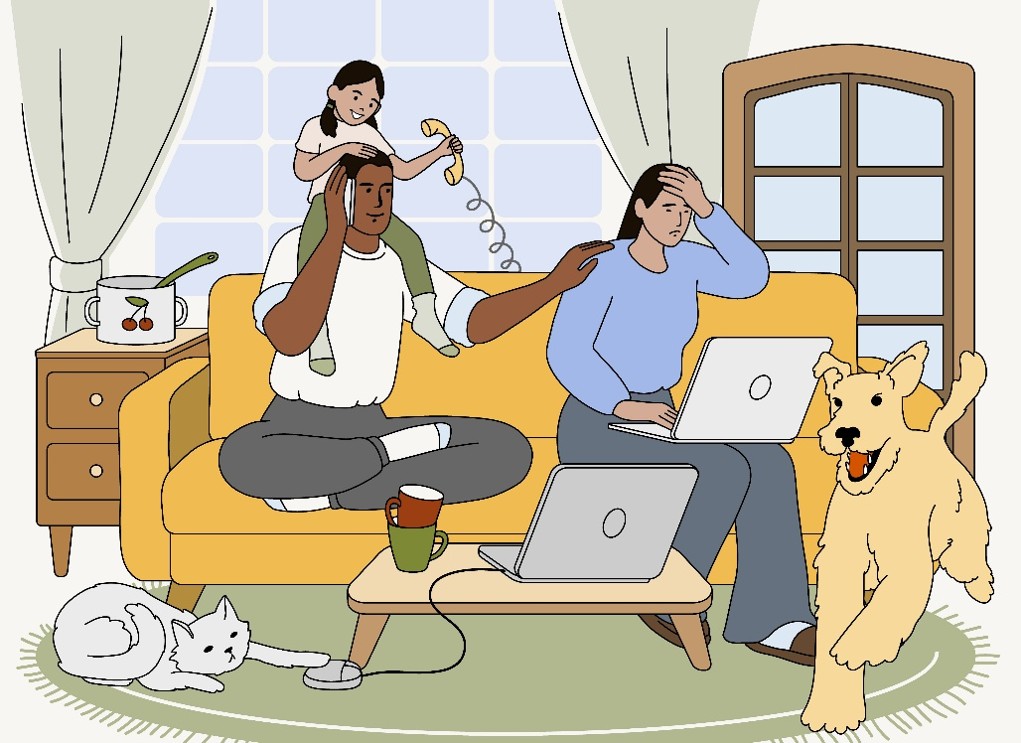
By: Walter Gonzalez, Esq. and Ty Hyderally, Esq.
June 16, 2026
More NJ Workers Are About to Get Job-Protected Family Leave. Are You One of Them?
Most employees do not think about family leave until life forces them to.
A baby is born. A parent gets sick. A spouse needs care. A child’s school or place of care closes. A family medical issue suddenly becomes more important than whatever was on the calendar at work that day.
And when that happens, many employees ask the same terrifying question:
Can I take the time I need without losing my job?
For many New Jersey workers, the answer is about to get better.
What’s Changing?
Starting July 17, 2026, New Jersey’s Family Leave Act (NJFLA) is expanding — and the changes are significant.
Under the old rules, only employees at companies with 30 or more employees were covered. You also had to have worked there for at least 12 months and logged at least 1,000 hours. That left out a lot of people.
Under the new rules:
- The employer threshold drops from 30 employees to 15
- Employees only need 3 months on the job (down from 12)
- The hours requirement drops to 250 hours in the past year (down from 1,000)
In plain terms: more workers at more companies will now qualify for job-protected family leave.
Who Does This Actually Help?
This expansion is especially meaningful for people who were previously left out — newer employees, part-time workers, and employees at smaller businesses like medical offices, restaurants, retail shops, local businesses, and family-owned companies.
Life doesn’t wait until your one-year work anniversary. People have children, parents get sick, families need care — and the law is finally catching up to that reality.
What Leave Is Covered?
The NJFLA isn’t a general time-off law. It covers specific family-related reasons, including:
- Bonding with a new child after birth, adoption, or foster-care placement
- Caring for a family member with a serious health condition
- Certain leave tied to public health emergencies, like school or daycare closures
One important note: the NJFLA covers family leave — not always leave for your own medical condition. If you’re dealing with a personal health issue, other laws may apply, such as the federal Family and Medical Leave Act (FMLA), the New Jersey Law Against Discrimination (NJLAD), the Americans with Disabilities Act (ADA), or Temporary Disability Insurance (TDI). Employers often get this wrong, so don’t assume that if one law doesn’t apply, no law does.
Job Protection vs. Getting Paid: They’re Not the Same Thing
This is one of the biggest sources of confusion for employees.
Job-protected leave (what the NJFLA provides) means you can take time off and return to your job.
Wage replacement (what New Jersey’s Family Leave Insurance, or FLI, provides) means you receive partial pay while you’re out.
These two programs work alongside each other, but they’re separate. You can receive FLI benefits and still have questions about whether your job is protected. The 2026 amendments also strengthen reinstatement protections for employees receiving TDI or FLI benefits — meaning your employer may not be able to simply replace you and move on while you’re out on covered leave.
Watch Out for Retaliation
The most dangerous moment for many employees isn’t the leave request itself. It’s what comes after.
You ask for leave, and suddenly things change. Your manager gets cold. Write-ups appear out of nowhere. Your schedule gets worse. You’re told you’re “not committed.” You return to find your duties changed, your pay cut, or your job gone.
Pay attention to timing. If everything was fine before your leave request and then it wasn’t, that matters. Employers are not required to be happy that an employee needs time off — but they cannot legally punish someone for exercising their rights.
Red Flags: Statements That Should Give You Pause
If your employer says any of the following, don’t just take their word for it:
- “You haven’t been here long enough, so you have no rights.”
- “We’re a small company — this law doesn’t apply to us.”
- “You can take the time, but we can’t promise your job will be here.”
- “You should resign and reapply when you’re ready.”
- “We already approved your paid benefits, but that doesn’t mean we have to bring you back.”
Some of these statements may simply be wrong. Some may be incomplete. And some could be important evidence. The point is: don’t accept your employer’s conclusion about your rights without getting more information.
What You Should Do
A few practical steps can go a long way:
- Put your request in writing. It doesn’t need to be formal — an email works. Just make sure there’s a record.
- Be clear about the reason. You don’t need to overshare private medical details, but connect the request to a qualifying family reason.
- Save everything. Emails, texts, handbooks, leave forms, doctor’s notes, write-ups, benefit approvals, schedule changes — keep it all.
- Document changes in how you’re treated. If your supervisor’s attitude shifted after your leave request, write down what changed and when.
In employment cases, timing and documentation matter enormously.
The Bottom Line
New Jersey’s family leave expansion is not just a technical change. It reflects a basic reality: employees have families, emergencies, children, parents, spouses, and caregiving responsibilities.
Work matters. But family matters too.
If your employer tells you that you are not covered, that may not be the end of the story. If your employer says you can take leave but your job may not be there when you return, you should ask questions.
And if your employer punishes you after requesting or taking family leave, you may have legal rights.
At Hyderally & Associates, P.C., we believe that transparency and accountability are essential to protecting workers’ rights. We will continue to monitor this development and its implications for employment law in New Jersey.
If you have any questions regarding your rights as an employee, you should seek an experienced attorney who concentrates in employment law. Our firm has been concentrating in employment law for over twenty-three (23) years!
En nuestra firma hablamos español. This blog is for informational purposes only. It does not constitute legal advice and may not reasonably be relied upon as such. If you face a legal issue, you should consult a qualified attorney for independent legal advice regarding your particular set of facts. This blog may constitute attorney advertising. This blog is not intended to communicate with anyone in a state or other jurisdiction where such a blog may fail to comply with all laws and ethical rules of that state or jurisdiction.