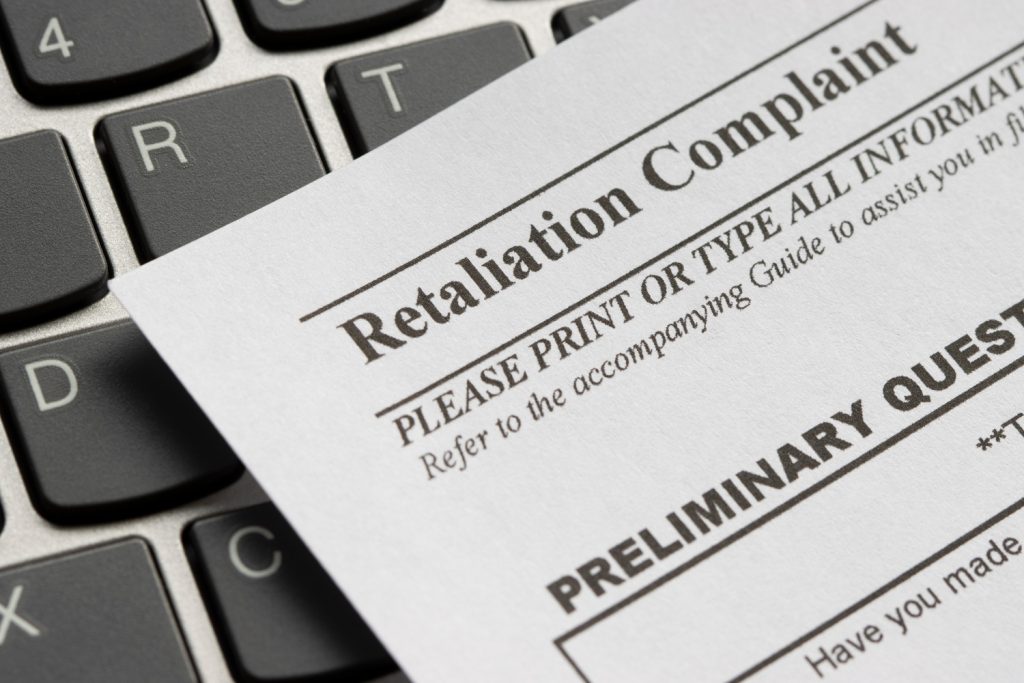
EEOC Makes Waves Again, This Time with Access to Bathrooms and Locker Rooms
April 23, 2026
New Jersey Legislation Outlook 2026: Protecting Women in the Workplace
May 13, 2026Don’t Rage Quit: What to Do Before Leaving a Toxic Workplace KNOW BEFORE YOU GO!!!!

By: Walter Gonzalez, Esq. and Ty Hyderally, Esq.
May 7, 2026
If you are reading this, chances are you have already reached a breaking point.
Sometimes it is a bully boss. Sometimes it is an office clique that never left high school. Sometimes it is a small family-run company where “HR” is little more than a title and employee concerns go nowhere. Sometimes it is favoritism, retaliation, humiliation, impossible workloads, or the feeling that no matter how hard you work, the target keeps moving.
A toxic workplace can drain your confidence, affect your health, strain your family life, and make each workday feel heavier than the last.
And when that happens, many employees want to do one thing immediately: resign.
That reaction is understandable. No job should cost your peace, health, dignity, or family life. But before quitting a toxic workplace, employees should understand that timing and preparation matter. In many cases, the steps taken before resignation can significantly affect future legal claims, severance opportunities, unemployment benefits, and leverage in negotiations.
Before You Quit, Understand the Stakes
Quitting may feel like freedom in the moment. Sometimes it is the right decision. But quitting impulsively can also mean surrendering evidence, claims, and strategic advantages that may never return.
The first question is whether the workplace is merely unpleasant or legally toxic. Not every rude boss creates a lawsuit. However, some workplace conduct crosses legal lines. Repeated discrimination based on race, sex, age, disability, religion, pregnancy, sexual orientation, or national origin may violate state and federal law. Retaliation after complaints to HR or management may be unlawful. Failure to accommodate medical conditions, unpaid overtime, withheld commissions, or harassment may also create claims.
Understanding the difference between a difficult workplace and an unlawful one is critical before making a permanent decision.
Speaking to a lawyer who concentrates in employment law BEFORE you quit, could be of immense assistance with regard to protecting your rights. When a person quits and then consults with legal counsel, there is a lot less that can be done to protect your interests.
Further, when you quit, you subject yourself to the legal impediments created by causing a constructive discharge situation as opposed to a termination.
Documentation Matters
Employees often underestimate how important documentation becomes later. If you believe something improper is happening, preserve records lawfully available to you. Save performance reviews, compensation plans, emails praising your work, HR complaints, disciplinary notices, calendars, and relevant written communications. Be mindful of corporate policies on document retention.
Keep contemporaneous notes of incidents, dates, witnesses, and what was said.
Memories fade quickly. Written records matter.
Be Smart About Internal Complaints and Resignation Letters
As one television character famously said, “Why waste time say lot word when few word do trick?”[1] While comedic in context, there is real wisdom there when dealing with workplace disputes.
Employees often make the mistake of sending lengthy emotional resignation letters or angry internal complaints written in the heat of the moment. That can feel satisfying, but it is not always wise. Others say too little and fail to document legitimate concerns. Others resign with no explanation at all, when a clear record of why they are leaving could matter. The right approach depends on the facts.
Employees should also think carefully before making internal complaints. In some cases, reporting misconduct creates a protected activity that can later support a retaliation claim if the employer responds negatively. In other cases, poorly worded complaints or emotional outbursts can complicate matters. A thoughtful, professional complaint that clearly raises concerns is often far more effective than an angry confrontation.
The goal is not to vent. The goal is to protect yourself, preserve credibility, and create a clear record.
Sometimes fewer words really do the trick. Sometimes carefully describing unlawful conditions is important.
What you write, whom you complain to, when you complain… all matter! Strategy matters.
Constructive Discharge May Apply
In some cases, working conditions become so intolerable that a reasonable person would feel forced to resign. This is referred to as constructive discharge, and you may have legal protections; however, it is a situation that could present impediments or challenges to your pursuit of a legal claim. These claims are highly fact-sensitive and often heavily contested. That is why evaluating the situation before resigning is usually far better than trying to reconstruct it afterward.
Protect Your Health
Health should not be ignored. Many employees in toxic workplaces suffer anxiety, depression, insomnia, or stress-related medical issues. Leave rights under the FMLA, the New Jersey Family Leave Act, the New Jersey Law Against Discrimination, the Americans with Disabilities Act, New York State and City Human Rights Laws, and related statutes may provide options short of immediate resignation.
Sometimes a protected leave or accommodation request changes the landscape entirely.
Consider the Financial Impact
There is also the practical question of money. Before quitting, employees should evaluate health insurance, severance possibilities, bonuses about to vest, accrued PTO, unemployment considerations, and the realities of the job market.
A short delay combined with a strategic plan can sometimes produce a much better outcome than a same-day resignation.

Image by pch.vector on Freepik
Know That You Have Options
Most importantly, employees should know they are not powerless simply because they are unhappy. Many toxic workplaces rely on workers believing they have only two choices: endure it or walk away empty-handed. That is often untrue.
Depending on the facts, options may include internal complaints, negotiated departures, severance discussions, medical leave, accommodation requests, litigation, or strategic transition planning.
No employee should remain trapped in an abusive environment. But no employee should feel forced to resign without understanding their rights first.
Conclusion
You may only get one chance to leave the right way. Before making a permanent decision in a temporary moment of frustration, make sure you understand your options.
At Hyderally & Associates, P.C., we represent employees in New Jersey and New York facing discrimination, retaliation, harassment, wage violations, leave issues, and wrongful termination. If you are considering leaving a toxic workplace, a confidential consultation before you resign may help protect your rights and improve your options.
If you have any questions regarding your rights as an employee, you should seek an experienced attorney who concentrates on employment law. Our firm has been concentrating on employment law for over twenty-three (23) years!
En nuestra firma hablamos español. This blog is for informational purposes only. It does not constitute legal advice and may not reasonably be relied upon as such. If you face a legal issue, you should consult a qualified attorney for independent legal advice regarding your particular set of facts. This blog may constitute attorney advertising. This blog is not intended to communicate with anyone in a state or other jurisdiction where such a blog may fail to comply with all laws and ethical rules of that state or jurisdiction.
[1] [1] Kevin Malone, season 8, episode 2 (“The Incentive”) of The Office